A hit-and-run motorcycle accident is every rider’s nightmare. One moment you’re focused on the road ahead, and the next you’re injured while the driver responsible speeds away, leaving you to deal with the physical pain, emotional shock, and financial fallout on your own.
If you’ve been hurt in a hit-and-run motorcycle crash, you’re not alone. Knowing what to do in the moments and days after the accident can protect your health, your rights, and your ability to recover compensation.
Below, we break down the critical steps to take after a hit-and-run motorcycle accident, how insurance may apply, and how an experienced motorcycle accident attorney can help.
How to Report a Hit-and-Run Motorcycle Accident
Reporting a hit-and-run motorcycle accident as quickly and thoroughly as possible is one of the most important steps you can take. After the accident, you should:
- Call the police immediately. Even if your injuries seem minor, contact law enforcement from the scene if you are able. A police report creates an official record of the crash and documents that the other driver fled the scene, which is an essential detail for insurance claims and potential legal action.
- Gather evidence. If you’re physically able, try to collect as much information as possible before leaving the scene, including:
- Photos or videos of the accident scene, your motorcycle, road conditions, skid marks, and debris
- A description of the fleeing vehicle (color, make, model, license plate digits, damage)
- The direction the driver fled
- Contact information for any witnesses
- Seek medical attention right away. Motorcycle injuries are often more serious than they initially appear. Prompt medical care protects your health and creates medical records that directly connect your injuries to the accident.
- Notify your insurance company. Report the hit-and-run to your insurer as soon as possible, but avoid giving a recorded statement until you understand your coverage, rights, and legal options.
Does Insurance Cover Hit-and-Run Motorcycle Accidents?
After a hit-and-run motorcycle accident, one of the first questions riders ask is whether insurance will cover their losses. The answer depends on what coverage you carry and the insurance laws in your state. Even when the at-fault driver is never identified, certain types of motorcycle insurance within your own policy may still provide critical financial protection.
Understanding Motorcycle Collision Coverage
Motorcycle collision coverage is often the first line of defense in a hit-and-run crash. This optional coverage can help repair or replace your motorcycle regardless of who caused the accident. That means even if the driver who hit you fled the scene, collision coverage may still apply.
Collision coverage typically:
- Pays for damage to your motorcycle after a crash with a vehicle or object
- Applies even when the at-fault driver is unknown
- Requires you to pay a deductible before coverage kicks in
Because collision coverage is optional and policy terms vary, not all riders carry it. Reviewing your policy is essential after a hit-and-run.
Uninsured and Underinsured Motorist (UM/UIM) Coverage
Uninsured motorist (UM) coverage is especially important in hit-and-run motorcycle accidents. When a driver leaves the scene and cannot be identified, the law often treats the crash as if an uninsured driver caused it.
Depending on your policy and state law, UM/UIM coverage may help pay for:
- Medical bills
- Lost wages and reduced earning capacity
- Pain and suffering
- Long-term disability or disfigurement
In many hit-and-run cases, UM coverage becomes the primary source of compensation for injured motorcyclists.
Medical Payments (MedPay) Coverage
Some motorcycle insurance policies include medical payments (MedPay) coverage, which can help cover medical expenses regardless of fault. MedPay may assist with:
- Emergency room visits
- Hospital bills
- Follow-up medical care
Unlike UM coverage, MedPay usually does not cover lost wages or pain and suffering, but it can provide immediate financial relief while other claims are pending.
Because insurance requirements and coverage options vary widely by state, understanding how your local laws apply is critical after a hit-and-run motorcycle accident.
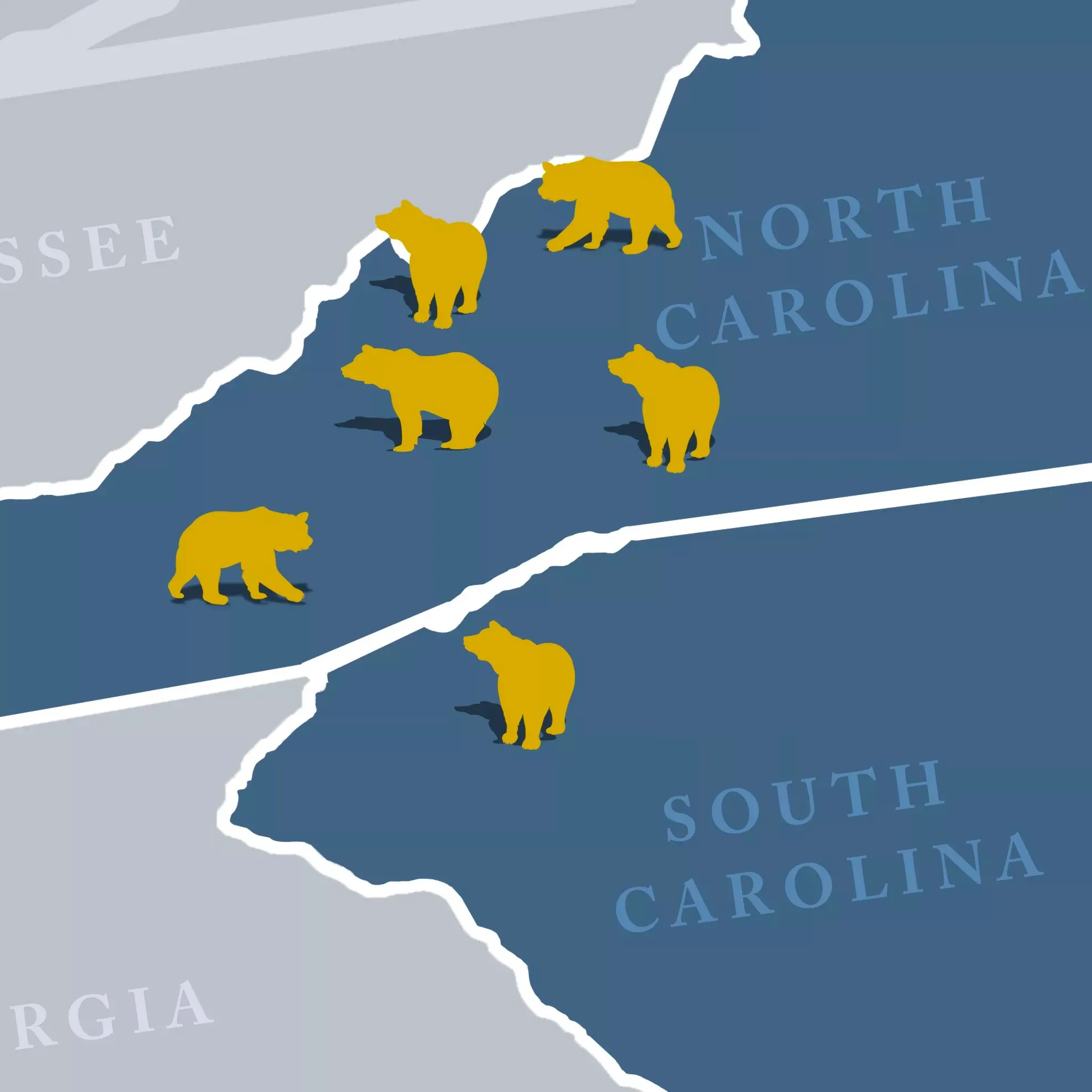
Motorcycle Insurance Requirements in North Carolina and South Carolina
If you ride in the Carolinas, state-specific insurance laws can significantly affect how a hit-and-run claim is handled.
North Carolina law generally requires motorcycle riders to carry minimum liability insurance. While liability coverage does not pay for your own injuries in a hit-and-run, uninsured motorist coverage can be crucial when the at-fault driver flees and cannot be identified. UM coverage may allow injured riders to seek compensation through their own insurance policy when no other source of recovery is available.
In North Carolina, all motorcyclists are required to have:
- $50,000 for uninsured/underinsured motorist bodily injury per person
- $100,000 for uninsured/underinsured motorist bodily injury per accident
- $50,000 for uninsured motorist property damage per accident
South Carolina law also mandates motorcycle liability insurance, with its own minimum coverage limits and rules regarding uninsured motorist claims. As in North Carolina, hit-and-run accidents are often treated as uninsured motorist cases under South Carolina law. Understanding how these requirements apply to your specific situation can make a major difference in your ability to recover compensation.
In South Carolina, all riders are required to carry:
- $25,000 for uninsured motorist bodily injury per person
- $50,000 for uninsured motorist bodily injury per accident
- $25,000 for uninsured motorist property damage per accident
Common Injuries Resulting From Motorcycle Hit-and-Run Accidents
Motorcycle riders have little protection compared to occupants of passenger vehicles, which makes hit-and-run crashes particularly dangerous.
A peer-reviewed study published in the National Library of Medicine found that motorcycle accidents frequently result in life-altering injuries, with severe head trauma being the most common. Other types of serious motorcycle accident injuries include:
- Spinal cord injuries and paralysis
- Fractures to the legs, arms, ribs, and pelvis
- Internal organ damage
- Road rash and soft-tissue injuries
Unfortunately, when a driver flees the scene, delays in emergency care can worsen these injuries and increase the risk of long-term complications.
Most Frequent Causes of Motorcycle Hit-and-Run Accidents
Hit-and-run motorcycle crashes often stem from reckless or negligent driving behaviors. According to analyses of negligent driver conduct, common causes include:
- Distracted driving, such as texting or using a phone
- Failure to yield at intersections
- Unsafe lane changes or merging without checking blind spots
- Driving under the influence of alcohol or drugs
- Speeding or aggressive driving
Some drivers flee because they lack insurance, are intoxicated, or fear legal consequences, leaving injured riders to suffer the aftermath.
Evidence Needed to Support a Motorcycle Hit-and-Run Case
Proving a hit-and-run motorcycle accident case requires more than showing you were injured. It involves establishing several specific legal elements with credible evidence. To hold the at-fault driver accountable or pursue compensation through insurance, an injured rider must generally prove four key components: a collision occurred, the other driver caused it, the driver fled the scene, and the crash resulted in damages. Having a motorcycle accident lawyer help you with building a strong case can be extremely beneficial.
Proving That a Collision Occurred
The foundation of any hit-and-run claim is demonstrating that a motorcycle accident actually took place. This may sound straightforward, but insurers and defense attorneys often scrutinize this element closely.
The laws vary from state to state.
North Carolina Contact Requirement – North Carolina has a strict contact rule, requiring that there must be actual physical contact between the motorcycle and the hit and run vehicle to make a claim against the unknown driver.
South Carolina Contact Requirement – South Carolina requires either actual contact with the hit and run driver, or an affidavit from an eyewitness other that the motorcycle operator verifying the unknown driver caused the wreck. Even a passenger on the motorcycle can be your witness.
Other common forms of evidence include:
- Photographs or videos of the crash scene
- Visible damage to the motorcycle
- Roadway evidence, such as skid marks, debris, or broken parts
- Surveillance footage from nearby businesses, traffic cameras, or residences
- Statements from eyewitnesses who saw or heard the collision
Your own account of the accident is also important, especially when it aligns with physical evidence and witness testimony. Consistency across these sources helps establish credibility.
Proving the Other Driver Caused the Accident
Next, the evidence must show that another driver’s negligence caused the crash. Negligence can include actions such as speeding, failing to yield, unsafe lane changes, distracted driving, or driving under the influence.
Evidence used to demonstrate fault may include:
- Traffic camera or dashcam footage capturing the moments before impact
- Skid marks, impact points, and debris patterns that indicate unsafe driving
- Police observations documented in the crash report
- Witness statements describing the driver’s behavior
In more complex cases, accident reconstruction experts may analyze the scene, vehicle damage, and roadway conditions to explain how the driver’s actions directly caused the motorcycle crash.
Proving the Driver Fled the Scene
What distinguishes a hit-and-run case from other motorcycle accidents is proof that the at-fault driver left without stopping to provide information or render aid.
This element may be supported by:
- Witness testimony confirming the driver sped away
- Video footage showing the vehicle leaving the scene
- Dashcam recordings from other motorists
- Police reports documenting efforts to identify the fleeing vehicle
Law enforcement documentation is especially important, as officers may record partial license plate numbers, vehicle descriptions, or directions of travel that can later help identify the driver.
Proving Injuries and Damages Resulting From the Crash
Finally, the injured rider must show that the hit-and-run caused measurable damages. These damages form the basis of any compensation claim.
Supporting evidence often includes:
- Medical records detailing injuries, treatment, and prognosis
- Medical bills and prescription costs
- Documentation of lost wages or reduced earning capacity
- Repair estimates or total-loss valuations for the motorcycle
- Testimony from medical professionals or vocational experts
Damages may cover not only financial losses but also pain and suffering, emotional distress, and long-term disability resulting from the crash.
By clearly establishing each of these elements with strong evidence, victims of hit-and-run motorcycle accidents can build a compelling case. An experienced motorcycle accident attorney can help identify, preserve, and present this evidence—strengthening your claim and improving your chances of recovering full compensation for your injuries and losses.
Motorcycle Accident Statistics: You’re Not Alone
Motorcycle crashes remain a serious and growing problem across the United States. National data provided by the National Safety Council shows a steady increase in motorcycle fatalities over the past several years, showing how exposed riders are when negligent drivers make mistakes.
Between 2018 and 2023, motorcycle deaths rose dramatically:
- 5,038 deaths in 2018
- 5,044 deaths in 2019
- 5,620 deaths in 2020
- 6,144 deaths in 2021
- 6,251 deaths in 2022
- 6,335 deaths in 2023
This upward trend highlights a troubling reality: despite advances in vehicle safety and awareness campaigns, motorcyclists continue to face disproportionate risks on the road.
The statistics from 2023 also challenge common assumptions about when and why motorcycle crashes occur:
- 64% of fatal crashes happened on urban roads, not isolated highways
- 94% occurred in good weather, dispelling the myth that poor conditions are usually to blame
- 49% happened during daytime hours, when visibility is at its best
- 56% involved two vehicles, often meaning another driver caused or contributed to the crash
- 62% of riders were wearing helmets, showing that safety gear alone cannot prevent all fatal injuries
- 74% of riders were not alcohol-impaired, reinforcing that many victims were riding responsibly
These numbers matter, especially in hit-and-run cases. They show that many motorcycle accidents occur during ordinary rides, in familiar areas, under normal conditions, and often through no fault of the rider.
Get Help After a Hit-and-Run Motorcycle Accident
A hit-and-run can leave riders feeling powerless, angry, and overwhelmed. You may be facing mounting medical bills, lost income, and uncertainty about who will pay for your injuries. Rest assured that you are not alone, and our legal team at GTA Law Riders is here to help.
Our motorcycle accident attorneys at GTA Law Riders understand the unique challenges riders face after a hit-and-run, because we’re riders just like you. We know how to investigate these complex crashes, work with insurance companies, and fight for the compensation injured motorcyclists deserve. If you or a loved one has been injured in a hit-and-run motorcycle accident in North Carolina or South Carolina, contact GTA Law Riders today to discuss your options and protect your rights.